What Is Link Building (Backlinks)? — A Detailed Guide
In this article, I’ll explain Link Building and Backlinks in detail — the single most important strategy for ranking higher on Google.
If you’ve created SEO-friendly content and want it to rank at the top, you must build backlinks properly and with quality. In my view, about 20% of a page’s ranking comes from content quality and 80% from its backlinks. That doesn’t mean you can build a terrible page and rank it with hundreds of links — no. You need to nail the on-page fundamentals first, then move to link building. Let’s get started.
1. What Is a Backlink?
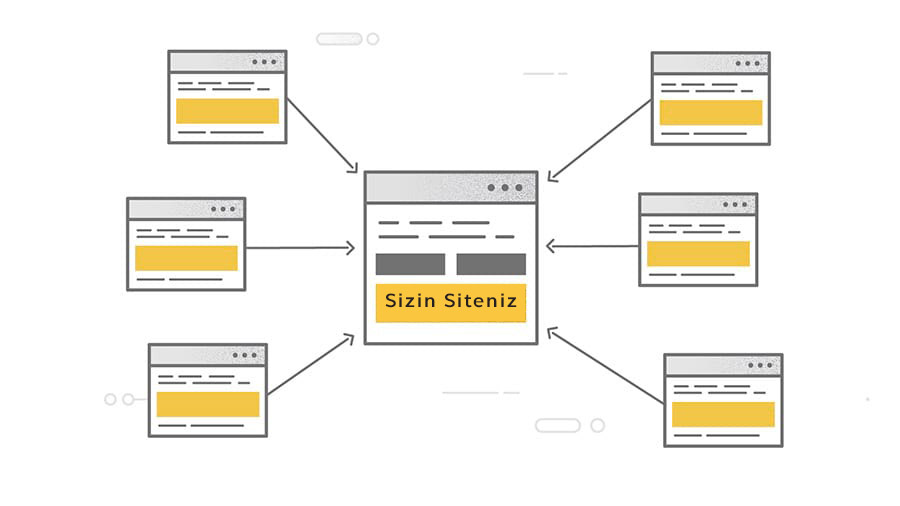
A backlink is when one website links (references) another website. Since Google first developed its algorithm, backlinks have been the most important ranking factor in search results. Think of a backlink as a vote of confidence.
For example, while writing this section, I referenced this article from Ahrefs, a tool I use constantly. By linking to their article with the anchor text “this article,” I’ve given Ahrefs a backlink.
It works the same way in real life — the more people who vouch for someone, the more trustworthy that person seems. Of course, the credibility of the people giving references matters most. If untrusted individuals vouch for someone, it won’t help — it might actually hurt. That’s why I strongly recommend reading the “What NOT to Do” section carefully.
2024-2026 Update: In Google’s March 2024 Spam Policy update, they removed the word “important” from their documentation about links. Google’s Gary Illyes also said at a conference: “We need very few links to rank pages… Over the years, we’ve made links less important.” This doesn’t mean backlinks are dead — they’re still a top-3 ranking factor — but Google now places much more weight on link quality and contextual relevance. Five quality, relevant links beat 50 random ones.
2. What Is Link Building?
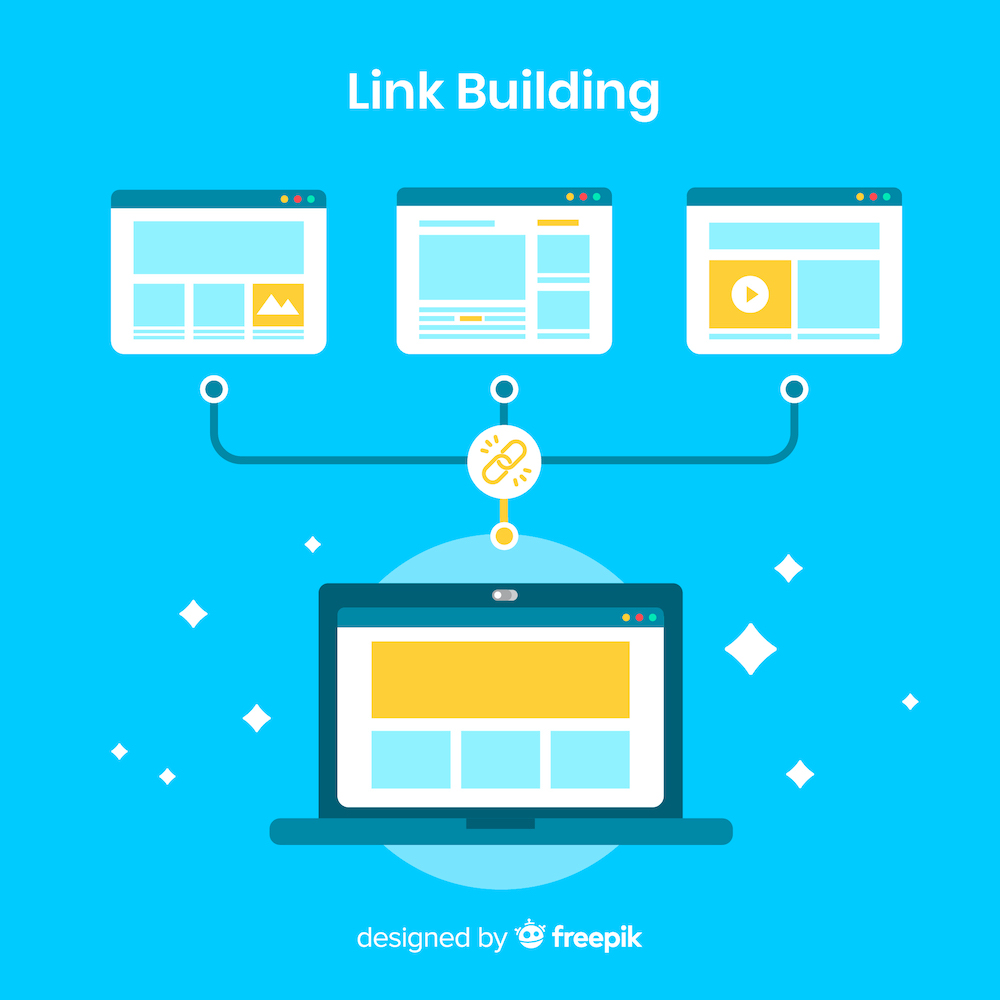
Link building is the general term for all activities you do to acquire backlinks from other sites to your own. Since search engines became widespread, nearly every website owner has focused on SEO, and link building has always been its most critical component.
In the early days, getting backlinks from other sites mattered regardless of quality. But as Google updated its algorithms, the importance of quality backlinks grew while low-quality ones became not just useless but harmful.
Common link building goals include improving search rankings, driving referral traffic, and increasing domain authority (DR: Domain Rating).
Common link building strategies include Outreach (finding relevant sites and sending them personalized emails requesting links), Guest Posting (publishing articles on other sites), Broken Link Building (finding 404 pages and offering your content as a replacement), Unlinked Mentions (finding sites that mention your brand without linking and requesting a link), Competitor Analysis (finding where your competitors get links and targeting those same sites), and Social NoFollow Link Building (participating in forums and social platforms with links to your site).
3. Link Building Globally vs. Locally
Internationally, link building is massive. Almost every company has an Outreach Specialist. You can even hire freelance link builders on UpWork.
In my view, two factors drive its global prevalence. First, companies understand backlinks’ value and invest accordingly. Second, competition. For a keyword like “Hire Android Developer,” companies worldwide compete — from Indian firms earning dollars through remote work to American companies wanting local rankings. Site owners receive dozens of cold emails daily.
I’ve personally been doing international link building for nearly two years. We generally find 150+ relevant websites and articles, then send personalized emails every week. Using broken link building, unlinked mentions, and nofollow strategies, we’ve achieved what I estimate is over 50% success rate in ranking at the top. Of course, link building alone isn’t the only factor — domain authority and content quality are equally crucial.
4. What NOT to Do
Let me start this section with an apology. Before writing this article, I reviewed several resources and found that most of them recommended things like “Go to this site and leave a comment for a link” or “Create a website on this builder for a link.” Those so-called “100% free quality backlink” sites have links from everyone — including illegal sites. Most are in English, and getting links from them will have virtually zero impact. It’s just wasted time.
1. Always Using the Same Anchor Text
One of the biggest mistakes is always building links with the same anchor text. If someone wants to rank for “Web Design” and only gets links with that exact anchor text, it reduces link diversity and can even trigger a penalty. My recommendation: 50% target keyword anchors, 50% varied anchors. Don’t forget “generic” anchors like “click here” or “visit the site.” If you have a brand name, use that as an anchor too.
2. Buying Low-Quality, Irrelevant Links
While not 100% white hat, paying to publish your content on relevant, quality sites is valuable for link building. But remember — there’s always a risk of penalties. Never buy links from irrelevant sites, website footers, or sites that sell links to everyone.
3. Getting Many Links from One Site at Once
From my experience, anyone who says “you can only get one link per site” is wrong. If a second link from the same site is relevant to your content, absolutely get it. But acquiring 3-4 links from the same site on the same day is dangerous — spread it out over time.
4. Link Exchange
Acceptable when done in moderation. But exchanging links definitely reduces the impact of acquired backlinks, and excessive exchanges can result in Google penalties. Never do multiple link exchanges with the same site at once — spread them across weeks.
5. Getting Links from Pages That Link to Everyone
For example, .edu links are very valuable, but some university blogs have pages that link out to dozens of unrelated sites — essentially selling links. Never get links from such pages.
6. Private Blog Networks (PBN)
Please never do this. In short: you create multiple blogs in your industry (or buy expired domains) and build links to your own site from all of them. Google actively detects and penalizes this.
5. Dofollow vs. Nofollow Links
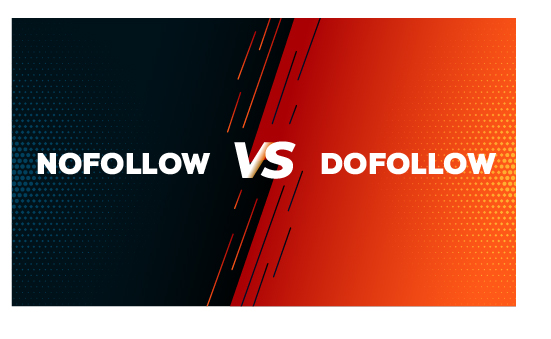
If you’ve done any research on link building, you’ve come across “nofollow” and “dofollow.”

Technically, the only difference is the rel="nofollow" attribute. But from a link building and SEO perspective, the distinction is significant.
Dofollow links carry major ranking power. Nofollow links don’t carry the same weight, but remember: a natural-looking link profile is key, and you need some nofollow links for that.
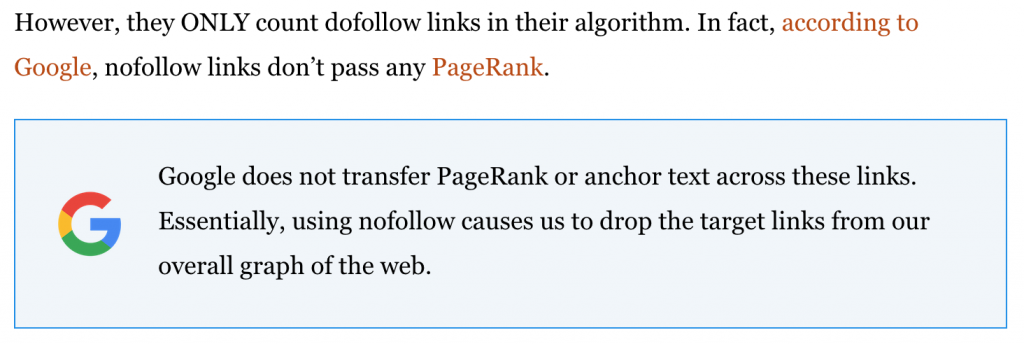
Most major sites (Quora, YouTube, Wikipedia, Reddit, Medium) default to nofollow. Google’s official stance: if you pay for a guest post, all links should be nofollow.

Rule of thumb: if you get 100 backlinks, at least 5-10 should be nofollow.
Post-2019 update: Google now treats nofollow as a “hint” rather than a “directive” — meaning Google can extract ranking signals from nofollow links, but doesn’t guarantee it. Google also added rel="sponsored" (for paid/sponsored links) and rel="ugc" (for user-generated content). If you’re paying for links, Google officially wants you to use rel="sponsored".
6. Link Profile
The two most important factors for a good link profile are getting many backlinks from high domain-authority sites and having virtually zero spam backlinks.
Other factors include brand anchor texts, anchor text diversity, non-optimized anchors (“click here,” “read more”), the content surrounding your backlinks, freshness of the linking pages, and getting links from within article body rather than author bios.
7. How to Get Backlinks
Now we move from theory to practice.
Publish on Other Websites
Send emails. Find technology-related sites, find the owners’ contact info using tools like Hunter.io, and reach out. Offer to write content for their site.
Another approach is finding sites that accept paid guest posts. During one link building campaign, I found Backlink.com.tr, which facilitates paid placements across various domains and authority levels.
Broken Link Building
Find broken (404) links in other websites’ articles, then email the site owner: “I noticed a broken link in your article. My content covers the same topic — replacing it would help your readers.” Use the Check My Links Chrome extension for this.
Social NoFollow Link Building
On Quora, Medium, Reddit, and similar platforms, find questions related to your site and answer them while linking to your content. These nofollow links help make your link profile look natural.
8. Link Building Strategies
Outreach (Cold Email)
My most-used and most effective method. Find relevant websites, then email their owners or editors requesting a link. The most critical factor: personalization. Even in bulk emails, mentioning something specific about each person’s site dramatically increases success rates.
Guest Posting
Publishing articles on other sites as a guest author. You naturally link to your own site within the content. The most important consideration: quality. Write something even better than what’s on your own blog.
Skyscraper Technique
Find a competitor’s heavily-linked content, create a better version, then reach out to everyone who linked to the original. Brian Dean popularized this technique, and it genuinely works.
BONUS: Competitor Analysis for Link Building
Using tools like Ahrefs or SEMrush, you can see exactly where your competitors get backlinks. If a competitor has a link from a site, that site is likely relevant to your niche and may link to you too. Focus on your competitors’ most recent links — active sites are more likely to respond to your outreach.
9. Useful Browser Extensions and Tools
Tools that help with link building include Ahrefs for comprehensive backlink analysis, SEMrush as a strong alternative, MozBar for instant DA scores, Check My Links for finding broken links, Hunter.io for finding site owners’ email addresses (covered in detail in my email finding guide), Similar Web for competitor traffic analysis, and Google Search Console which is free and should be everyone’s first stop.
I hope this guide was helpful. Link building requires patience and consistency. Apply the right strategies, avoid the common mistakes, and over time you’ll reach the rankings you’re aiming for.
Finding the right people’s email addresses is critical for outreach — check my email finding guide. For bulk email sending, see my Lemlist guide, and to prevent spam issues, read my SPF, DKIM, DMARC guide.
If you found this useful, check out my other articles.
All Posts →